KEN24-B Kieni AA
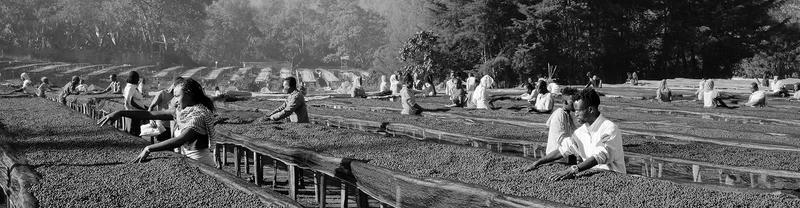
All the coffee cherry is hand-picked and delivered on the same day to the washing station, where it undergoes meticulous sorting. This is also done by hand and is overseen by a ‘cherry clerk’ who ensures any unripe and damaged cherries are removed. The ripe cherry is then weighed and recorded, and the farmer receives a receipt of delivery. The coffee is then placed in a receiving tank and pulped using a three-disc pulping machine to remove the skin and fruit from the inner parchment layer that protects the green coffee bean. After being pulped, the coffee is sorted by weight using water, with the highest quality and densest beans being separated out from the lighter, lower-quality beans. The coffee is then dry fermented overnight, to break down the sugars and remove the mucilage (sticky fruit covering) from the outside of the beans. Whilst the coffee is fermenting it is checked intermittently and when it is ready it is rinsed and removed from the tanks and placed in a washing channel. The parchment-covered coffee is then washed with fresh water from the nearby Kingu River and sent through water channels for grading by weight. The heavier coffee, which sinks, is considered the higher quality, sweeter coffee, and any lighter density or lower grade coffee beans are removed. The beans are then sent to soaking tanks where they sit underwater for a further 24 hours. This process increases the proteins and amino acids, which in turn heightens the complexity of the acidity. After soaking, the coffee is pumped onto deep drying beds where they drain for 1-2 hours, before being transferred to raised drying tables (also known as African beds). As they dry the parchment is turned constantly to ensure even drying, and so that any defective beans can be identified removed. Time on the drying tables depends on the weather, ambient temperature and processing volume: taking anywhere from one to two weeks to get to the target moisture of 11–12%. After drying the coffee is moved to conditioning beds, where it rests in parchment for about a month. This resting period helps to stabilise water activity and contributes to long-lasting quality and vibrancy in the cup.
- Available Quantity
- 1 bag60kg
- Minimum Order
- 60 kg
- Price Unit
- KG
- Origin
- 🇰🇪Central Kenya, Kenya
- Listed Date
- 9/15/2025
- Last Updated
- 10/3/2025
Learn about the farm and producer behind this coffee
Kenya - Mugaga Farmers Cooperative Society
Tucked into the red volcanic soils of Nyeri County, Kenya, lies the **Kieni Factory.** Known internationally for its clarity of flavor and fruit-forward cup profiles, Kieni is more than a wet mill — it is a lifeline for nearly 1,000 smallholder farm...